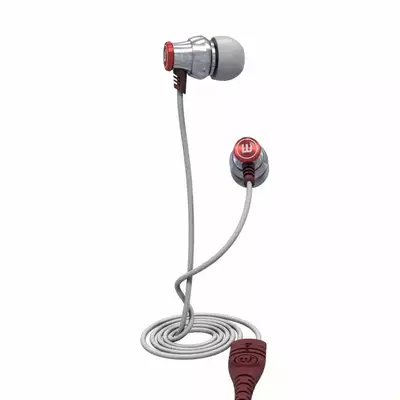
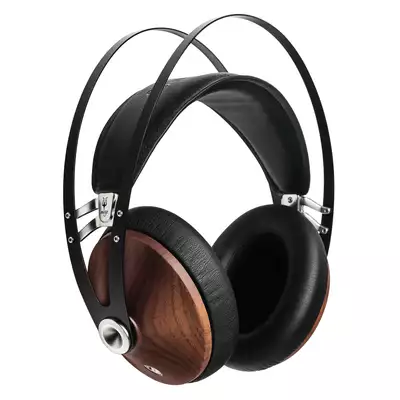
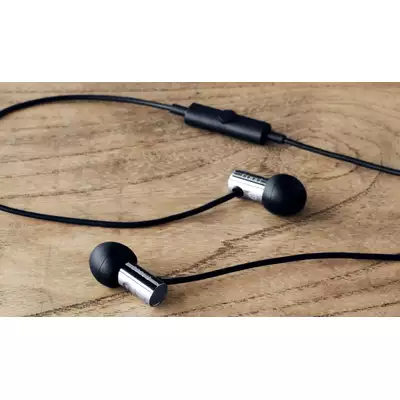
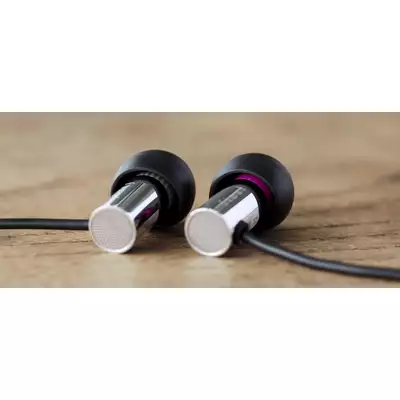
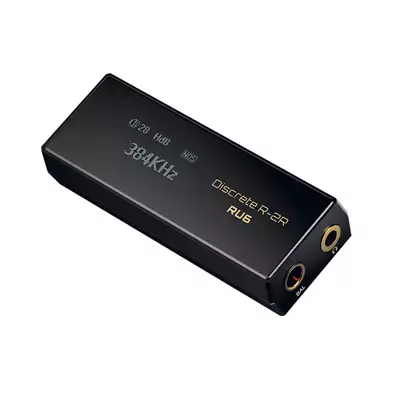
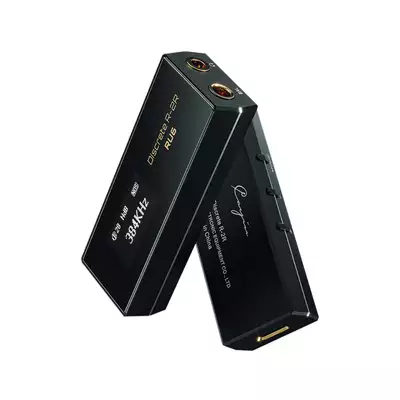
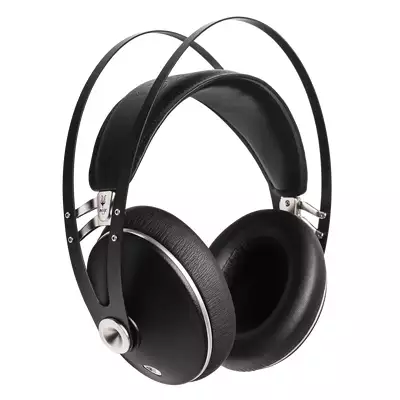
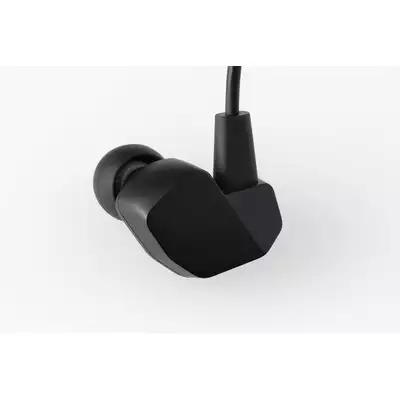
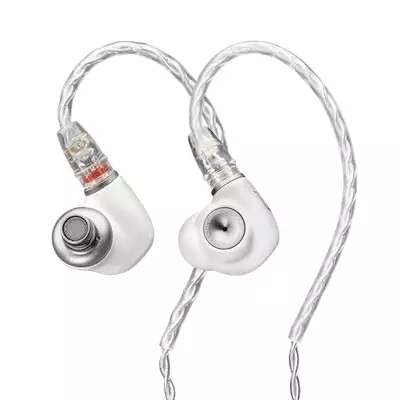
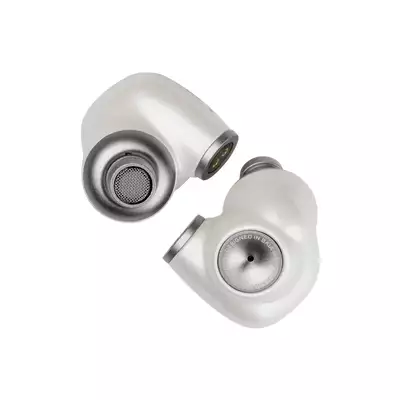
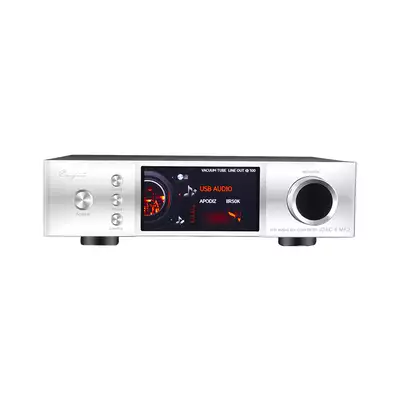
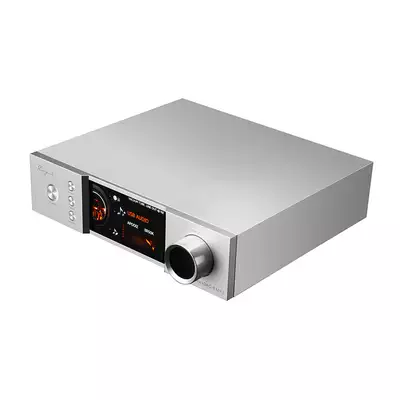
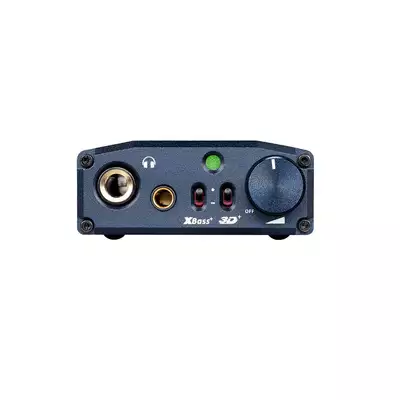
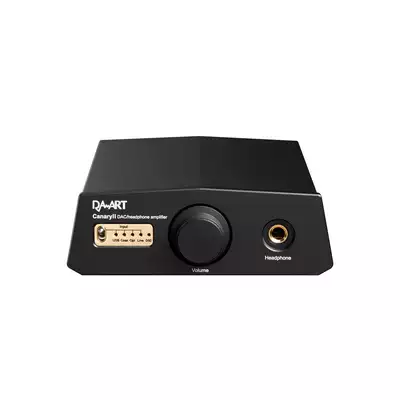
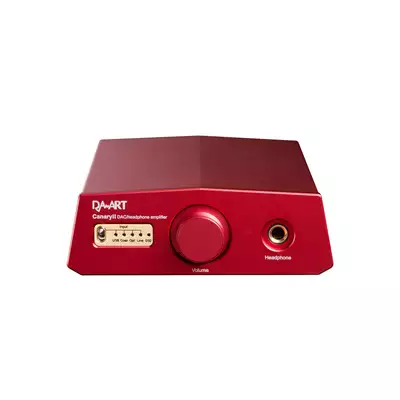
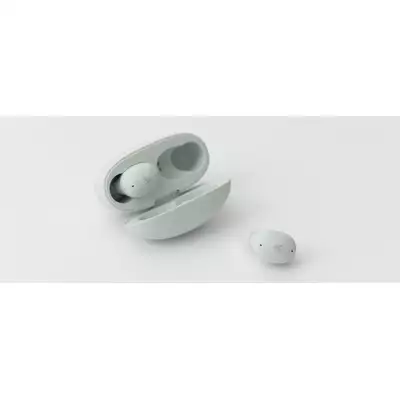
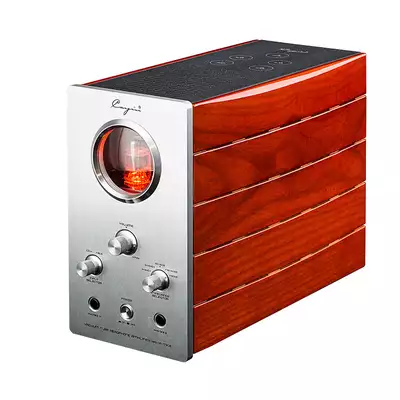
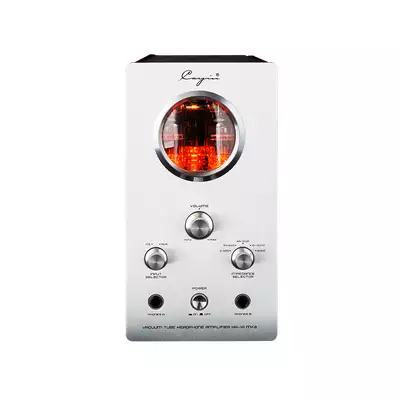
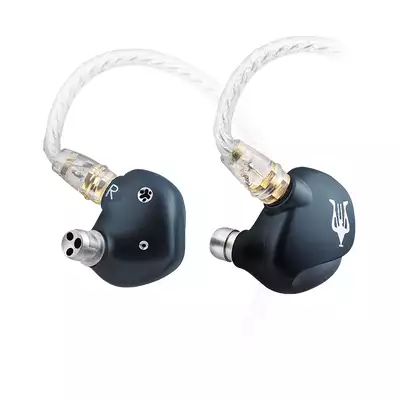
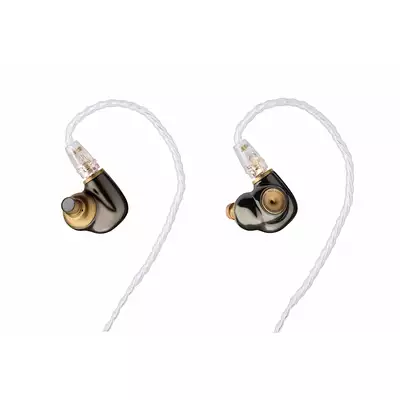
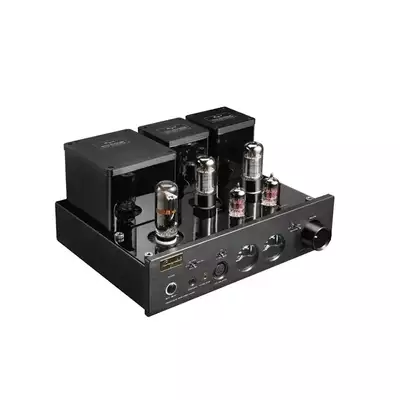
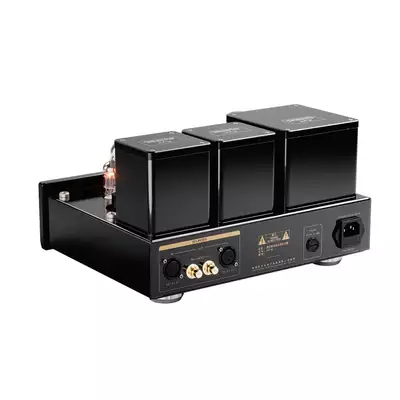
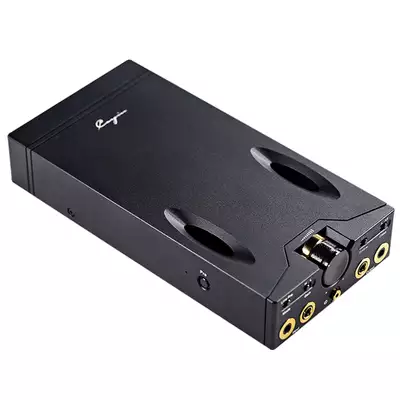
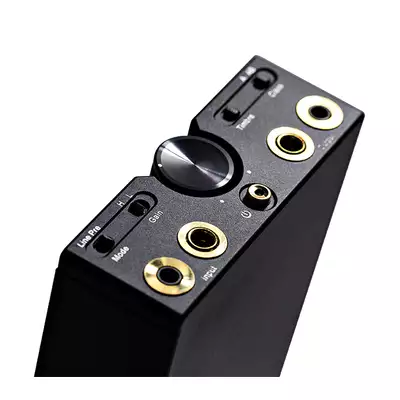
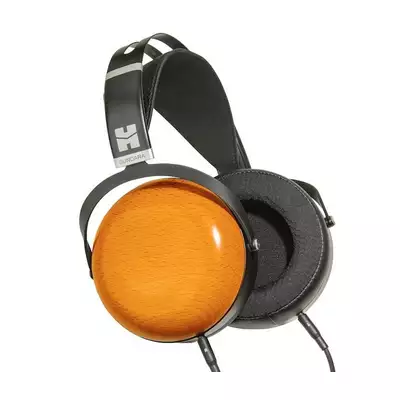
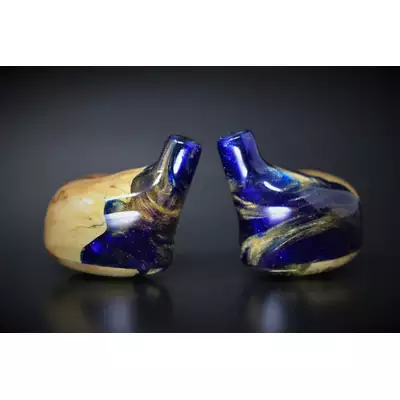
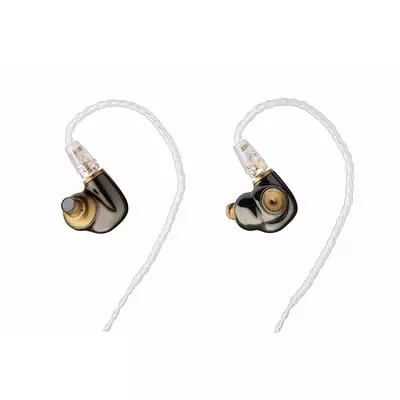
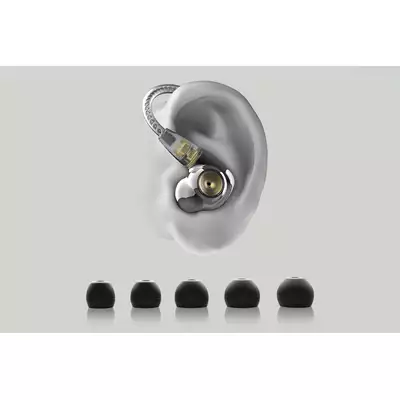
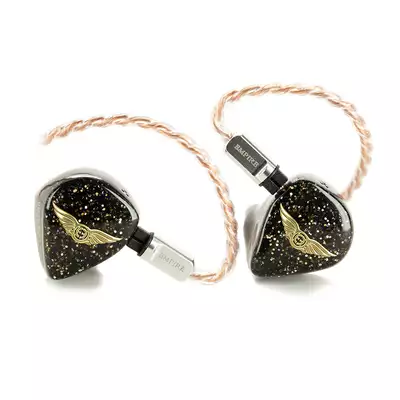
Headphones are the main product category in our store. We have many years of experience in this audio industry and many models are available for testing in our store in Warsaw.
In our offer you will find a wide range of headphones. We have universal and specialist products designed for athletes, gamers or artists. Regardless of whether you are looking for designer, sports or professional headphones, you will find them with us. Here everyone will find headphones that suit their taste. Below is some information about the headphones themselves.
HEADPHONES WARSAW – MATERIALS AND CONSTRUCTIONS
What are headphones? Headphones are nothing more than electroacoustic transducers, i.e. they convert electric current into a sound wave. They therefore fulfill a similar function to loudspeakers, with the difference that they are much smaller. Therefore, it is easier to obtain a wider band and the desired transfer characteristics.
Transducers in headphones
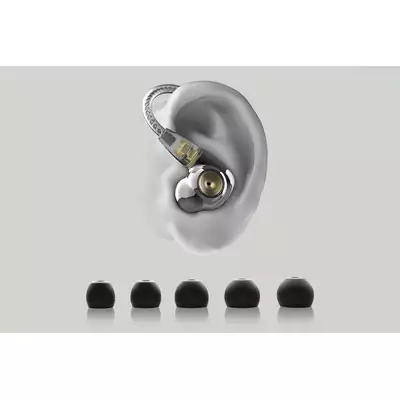
Headphones most often use two types of transducers. These are dynamic transducers and balanced armature transducers, used in in-ear headphones. The dynamic transducer, definitely more popular, is also called a moving coil transducer due to its construction. It is placed in a magnetic field and connected to the diaphragm. The magnet generating the field sets the aforementioned coil in motion, thus causing the diaphragm to vibrate.
The production of armature transducers, which are most often used in in-ear models, is much more difficult in terms of production processes. The part vibrating in the magnetic field is suitably balanced in armature structures. The element that stimulates the membrane to vibrate is a moving core with a coil placed in a magnetic field. It is enclosed in a metal housing that protects the system from electromagnetic interference. An important feature of armature transducers is more balanced audio signal processing than is the case with dynamic transducers.
Due to the electroacoustic transducer used, we can also distinguish headphones: electromagnetic, electrostatic and piezoelectric. In electromagnetic models, the membrane is moved as a result of changes in the magnetic field in the coil, which is located near the membrane. In electrostatic headphones, the movement of the membrane occurs as a result of changes in the electric field. This solution requires the use of an appropriate amplifier, and it is also necessary to supply a high polarization voltage. In turn, in piezoelectric headphones, as the name suggests, the piezoelectric phenomenon is used to generate an acoustic wave.
Neodymium magnets
Neodymium magnets are increasingly used in headphones. This type of magnet was discovered only in the 1980s. It is a permanent magnet with an extremely strong magnetic field, produced from a combination of neodymium, iron and boron. The ratio of magnetic induction to size for neodymium magnet is extremely high compared to other magnets. Thanks to its magnetic properties, a neodymium magnet can be much smaller than the often used ferrite magnet while maintaining similar properties of headphones. This allows, among other things, miniaturization of headphones. There are two types of neodymium magnets: sintered and bonded. The advantages of bonded neodymium magnets include high corrosion resistance.
Headphone membranes
Manufacturers use a variety of materials for the membrane in headphones. They are usually very light. It can be, for example, cellulose pulp, polymer material or microfiber. The material used also depends on the type of electroacoustic transducer of the headphone. In models with dynamic transducers, the membrane can be made of, for example, paper or plastic. In headphones with electromagnetic transducers, the membranes can be made of steel or another ferromagnet. In the most popular dynamic headphones, the membrane is connected to a coil placed in the field magnetic. The magnet generating the magnetic field sets the coil in motion, which causes the membrane to vibrate and an audible acoustic wave to be generated.
Carbon nanotubes
The material for the membrane used in the new JVC headphone models is carbon nanotubes. Generally speaking, a nanotube is a structure that takes the form of a hollow cylinder. The walls of carbon nanotubes are made of rolled graphene, a single-atom layer of graphite. This material is characterized by high stiffness and extraordinary resistance to stretching, which certainly made it useful in headphone membranes. The disadvantages of carbon nanotubes include low resistance to crushing due to their characteristic structure.
Visit our store - headphones Warsaw